When it comes to maintaining your health, minerals often get overshadowed by vitamins. But let’s not forget how important they are! Essential minerals play key roles in various bodily functions, and understanding their benefits can truly enhance your well-being.
First off, minerals help with everything from building strong bones to ensuring your muscles and nerves function effectively. For example, calcium is crucial for bone health, while magnesium supports muscle function and energy production. If you’re active or just want to keep your body in tip-top shape, getting enough of these minerals is essential.
Another important factor is that minerals can help balance your body's fluids. Sodium, potassium, and chloride work together to maintain hydration levels, which is vital in avoiding fatigue and keeping your energy up. If you're sweating a lot or spending time in the heat, don’t underestimate the power of these minerals!
Having the right amounts of these nutrients can also boost your immune system. Zinc, for example, is known to help you bounce back when you're feeling under the weather. So, making sure you include a variety of minerals in your diet isn’t just about physical health—it can support your overall resilience too.
Lastly, minerals can play a big part in how well you feel emotionally. Iron is vital for transporting oxygen in the blood, which can help improve your mood and energy levels. If you find yourself feeling tired or a bit down, it might be worth considering if you're getting enough of these key nutrients.
Key Minerals and Their Benefits
Minerals are super important for our health, and each one plays a unique role in keeping our bodies running smoothly. Let's talk about a few key minerals you might want to pay attention to and what they can do for you.
Calcium: This is the go-to mineral for strong bones and teeth. It helps prevent osteoporosis as we age. Plus, it's crucial for muscle function and nerve signaling. You can get your calcium fix from dairy products, leafy greens, and even fortified plant milks.
Magnesium: If you’re looking to support muscle health, magnesium is your friend. It helps with muscle relaxation and can even improve your sleep quality. You can find magnesium in nuts, seeds, whole grains, and leafy greens—so snacking on those nuts might be a good idea!
Potassium: This mineral is key for maintaining healthy blood pressure levels and proper muscle function. It works hand-in-hand with sodium to keep your body in balance. Fruits like bananas and oranges, along with potatoes and spinach, are great sources of potassium.
Iron: Iron is all about energy. It helps carry oxygen in your blood, which means it’s essential for stamina and overall vitality. If you’re feeling a bit sluggish, reconsider your iron intake. You can load up on iron with red meat, beans, lentils, and fortified cereals.
Signs You Might Need More Minerals
Sometimes, our bodies send us little signals that something might be off. If you’ve been feeling a bit “blah” lately or experiencing unusual symptoms, it could be a sign that you need more minerals in your diet. Here are some common signs to look out for:
These symptoms can sneak up on you, so it’s worthwhile to pay attention. If you think you might need more minerals, consider chatting with a healthcare professional about your diet and lifestyle. Small changes can make a big difference in how you feel!
Top Food Sources for Essential Minerals
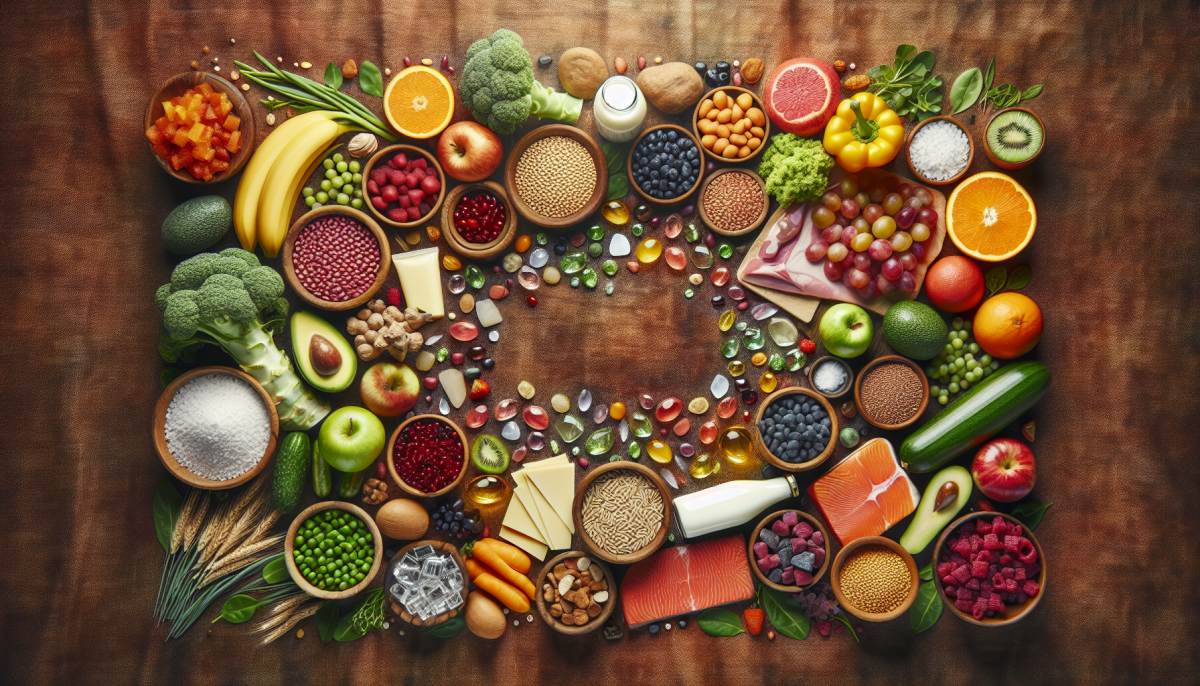
When it comes to getting the essential minerals your body needs, the right foods can make all the difference. Here’s a quick look at some top food sources for those crucial minerals that keep you healthy and vibrant.
1. Calcium: This mineral is a must for strong bones and teeth. You can find good sources of calcium in:
2. Iron: Important for energy and carrying oxygen in the blood, iron is found in:
3. Magnesium: This mineral helps with muscle function and energy production. To up your magnesium intake, try these foods:
Making sure you're eating a variety of these foods can help you maintain a balanced intake of essential minerals. Small changes in your diet can lead to big benefits for your health!